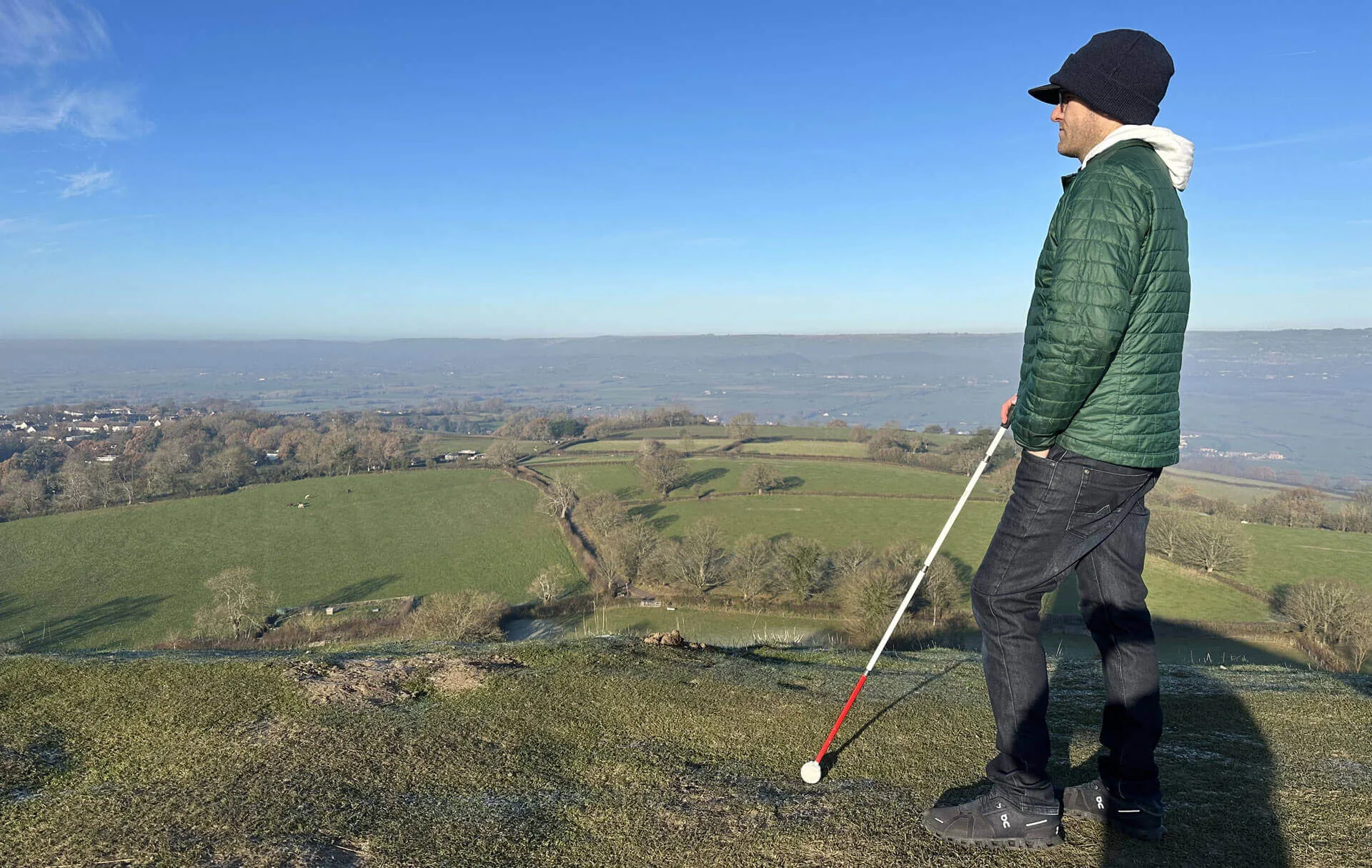
A traveller in a dark green jacket stands on a grass ridge, white cane angled down into the turf, facing a wide valley of hedgerows, bare trees and pale estuary light.

Explore.Engage.Educate.

We award $10,000 travel grants to blind and visually impaired people to imagine, design, and lead travel projects that change what the world expects of them.

$10,000
Per travel grant
12
Projects funded since 2023
200+
Applications in 2026
4
Years of grantmaking

Latest

What the foundation is
saying right now.

Blind Travel Summit 2025 — Austin, Texas

At long last, we finally have a video to share with you all! Even though this happened back in November 2025, the memories from the Blind Travel Summit are still fresh. From connecting with amazing people to trying our hands at axe throwing, it was an unforgettable experience filled with community and fun. Learn more here.

  • Applications

    2026 Travel Grant application is closed

    We received over 200 applications this year! Stay tuned to learn about this year’s winners! 2026 will mark our fourth year empowering blind and visually impaired travelers to imagine, design, and lead transformative travel-based projects.

  • New York City Weekend 2025

    Meet the 2025 grant winners

    We were fortunate to bring so many people together for the Blind Travel Foundation New York City Weekend 2025. We received over 150 applications, and worked with a dedicated application committee to select three $10,000 grant recipients.

  • 2024 in review

    Top ten highlights of 2024

    Grant winners travelled to Japan, Ghana, and state and national parks across the US. One video went viral, a cane manufacturer stepped in, and both 2023 winners landed new jobs.

The grant

Money is the thing
that turns an idea
into a plane ticket.

Every year we award up to three grants of $10,000 to people who are blind or have low vision. The money pays for the trip — transport, lodging, food, training, equipment — and we spend it alongside you, not at you.

What we are looking for is not a holiday. It is a project with a clear idea, a clear objective, and a real benefit to the blind and visually impaired community. Then you go and lead it.

Imagine

Pitch the idea. A trip that teaches the world something it does not know about blindness — or teaches blind travellers something they need.
Design

Build it with us. Semi-finalists work through budgets, routes and logistics with our team and the application committee.

Lead

Go, and bring it back. Every project ends in something the community can use: a guide, a film, a podcast, a record.

Projects
Twelve projects, led by the people they are about.

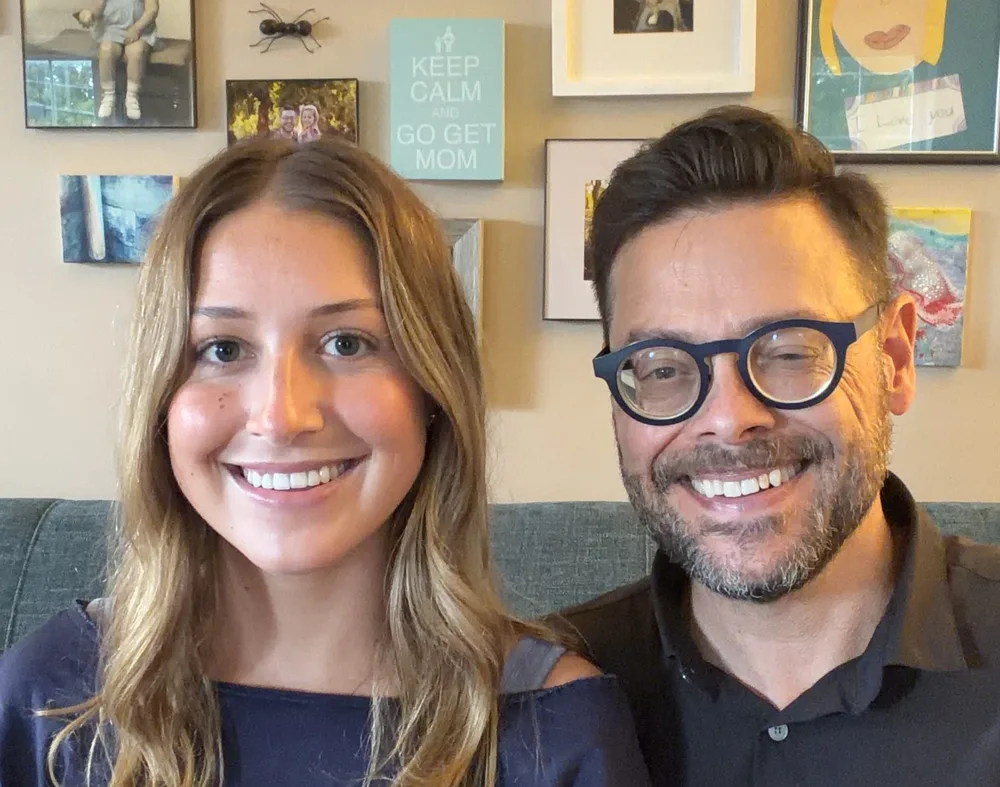
2026 Josh and Eileen Loebner, side by side, smiling in a room hung with framed pictures.
Two people stand close together in front of a wall densely hung with framed art and family photographs. Both are smiling directly at the camera; the room behind them is warm and lived-in.

Narrative Placemaking

Josh & Eileen Loebner

How the words a destination chooses — on signs, in brochures, on websites — decide whether a blind traveller feels invited or warned off.
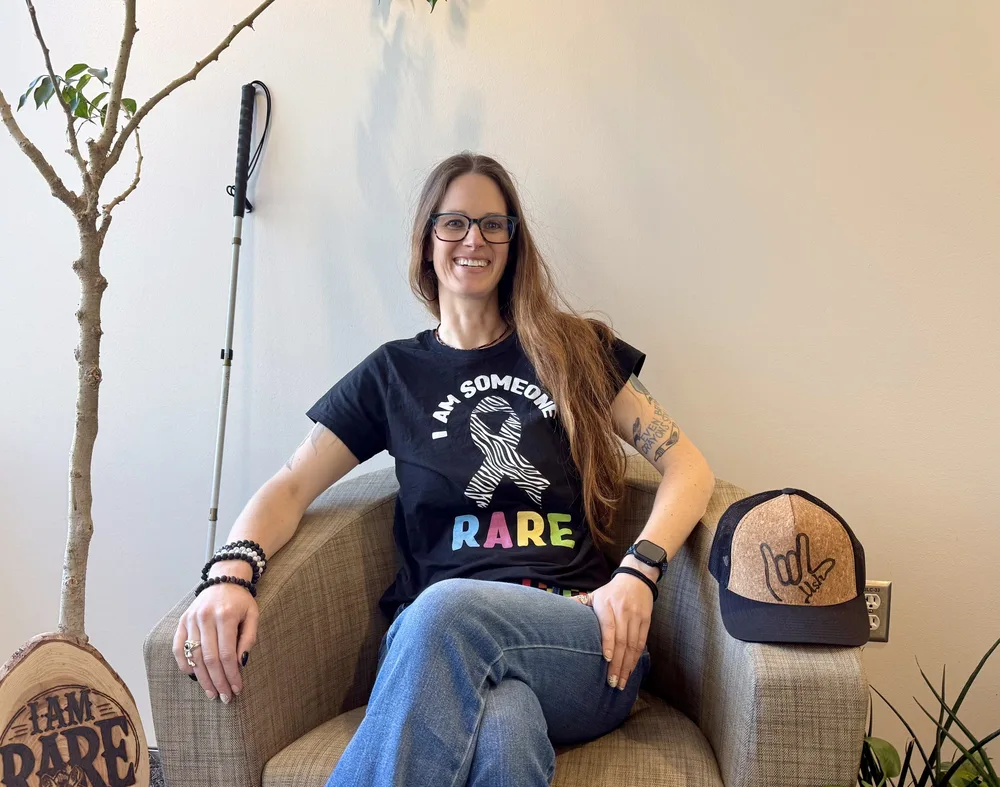
2026 A woman seated in an armchair beside a potted tree, wearing a shirt reading I am someone RARE.
A woman with long hair sits in a grey armchair beside a small potted tree, hands resting on the arms of the chair. Her black T-shirt reads “I am someone RARE” in coloured lettering. Round wooden signs lean against the wall behind her.

Blindness & Art

Krista Webb

Building bridges through creativity and community — making the making of art, not just its viewing, a place blind people belong.
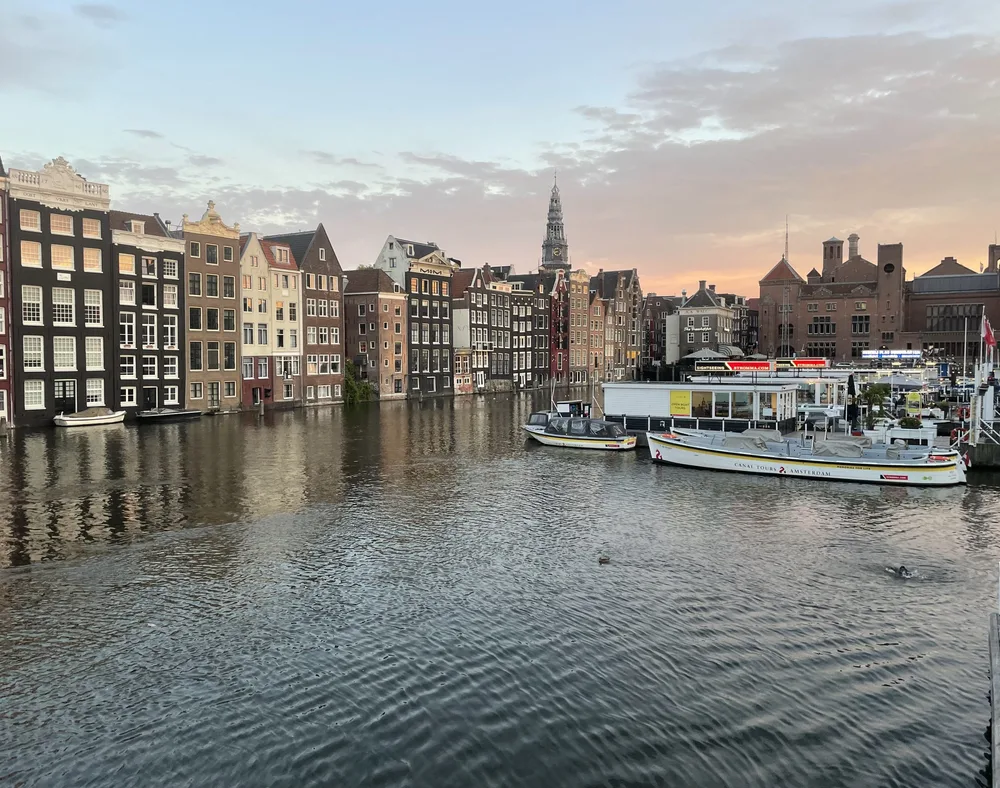
2026 Canal houses and moored boats at dusk in Amsterdam.
A wide canal at dusk. Narrow gabled houses line the left bank, a church spire rises behind them, and moored tour boats sit along the right. The water is flat and pale pink with reflected sky.

Passport to the Pantry

Dr. Muhammad Abubakar & Khaleel Rahman

Food as the way in. Kitchens, markets and shared tables as the most accessible introduction a traveller can get to a place.
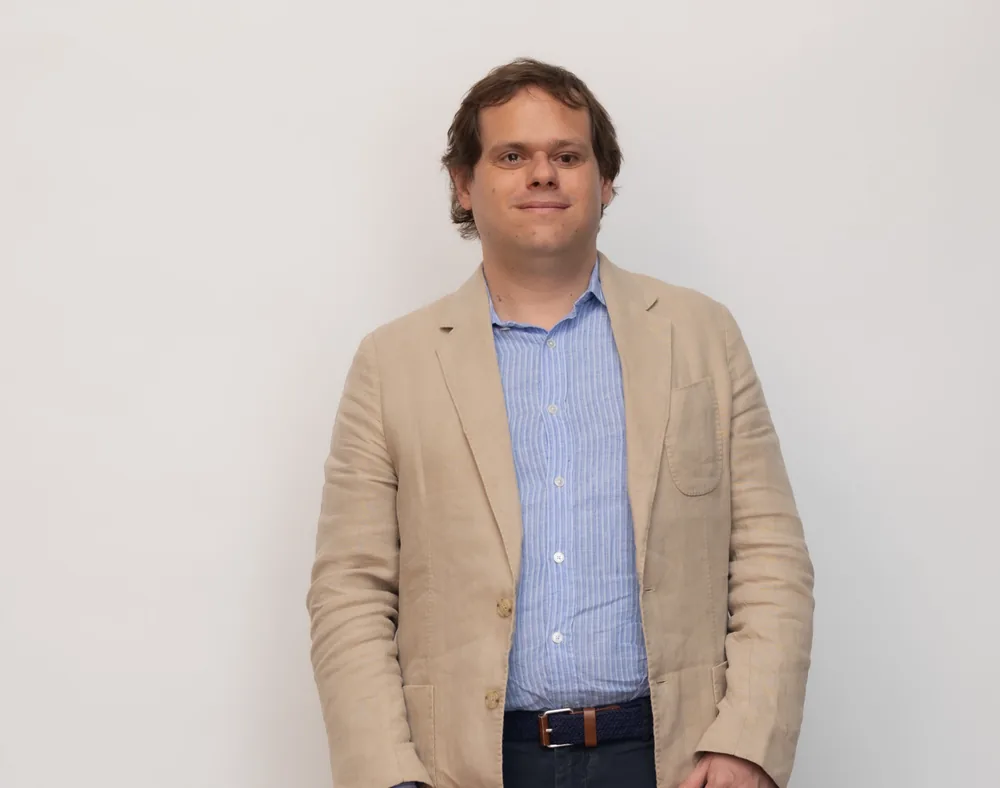
2025 Ignasi Cambra standing against a plain studio wall in a tan linen jacket.
A man stands against a plain pale wall in a tan linen jacket over a blue striped shirt, hands loose at his sides, facing the camera with a slight smile.

Blind Notes

Ignasi Cambra

A touring podcast on how blind musicians learn, memorise and interpret music — hosted by a concert pianist who has played Carnegie Hall and the Concertgebouw.
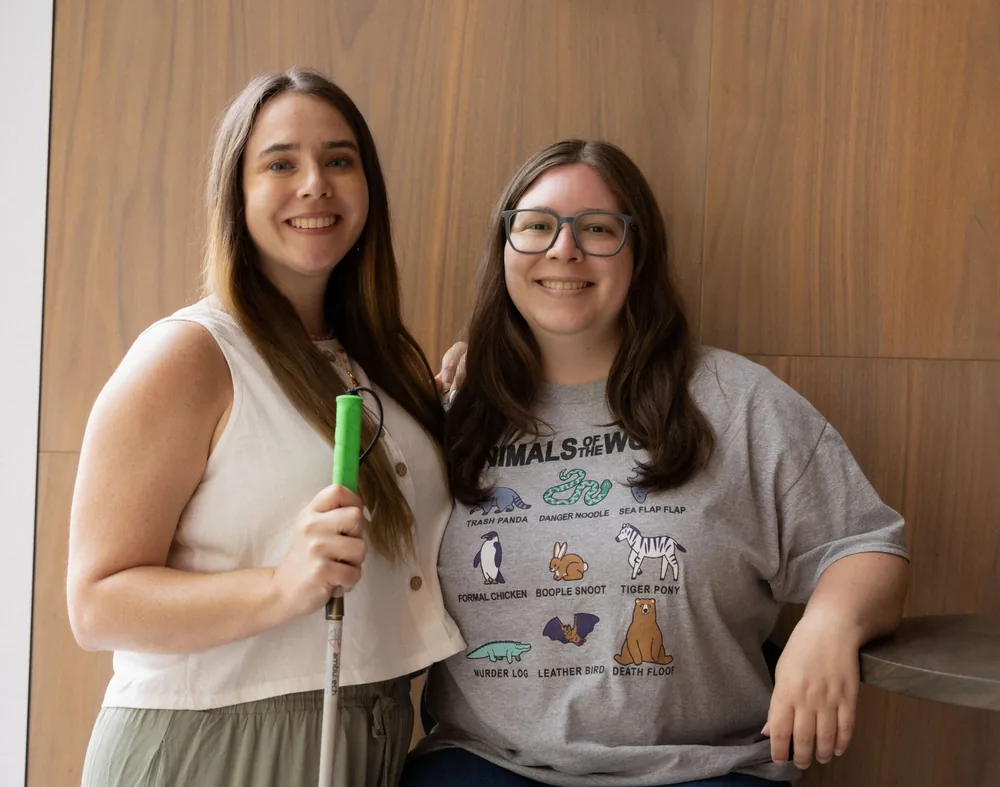
2025 Erin and Monica Pruitt sitting together against a wood-panelled wall, one holding a white cane with a green grip.
Two women sit shoulder to shoulder against a warm wood-panelled wall, both smiling at the camera. The woman on the left wears a cream sleeveless top and holds a white cane with a bright green grip; the woman on the right wears glasses and a grey T-shirt printed with cartoon animals, one arm resting on a small round table.

Accessible Travel on a Budget

Erin & Monica Pruitt

Seven national parks on a real budget, documented park by park — and turned into a guide for blind travellers who want the outdoors.
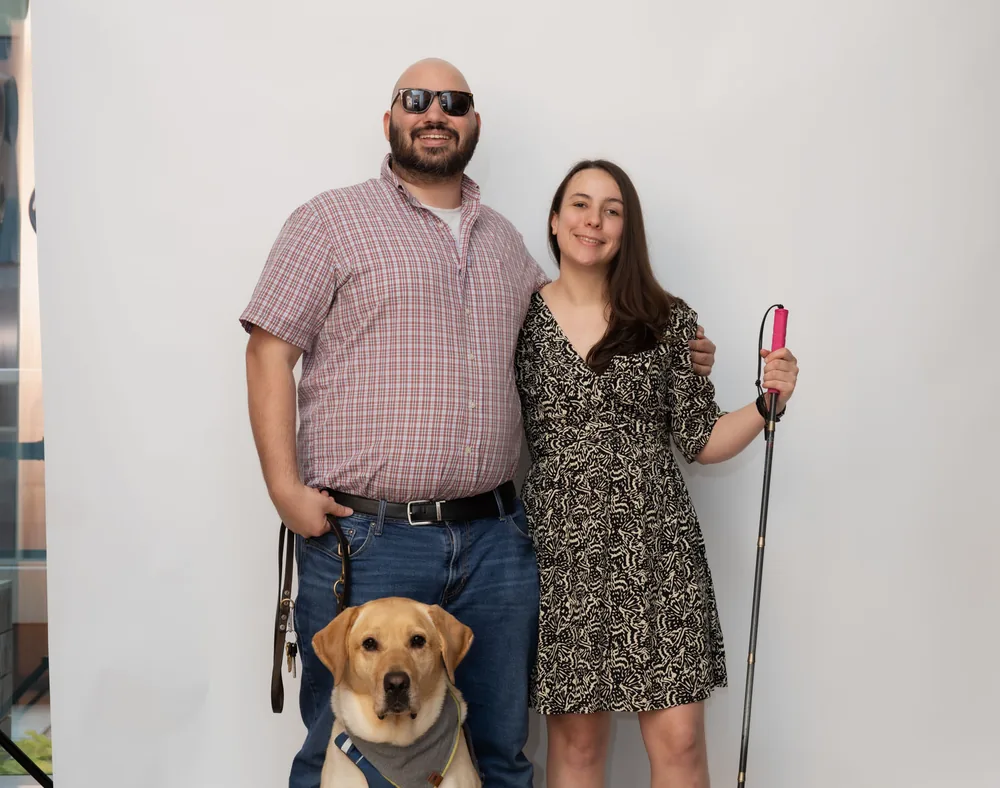
2025 Emeline Lakrout and Daniel Gutz standing with their yellow guide dog, one holding a white cane.
A couple stands side by side against a plain studio backdrop. He wears dark glasses and a red-and-blue checked shirt, one hand in his pocket; she leans into him in a patterned dress, an arm around his shoulders and a white cane with a pink grip in her free hand. Their yellow labrador guide dog sits at their feet in its harness, looking straight at the camera.

The Unseen Chronicles

Emeline Lakrout & Daniel Gutz

Across France through the history of blindness — Louis Braille's home, the first school for blind youth, and a 13th-century asylum still standing.
2024 A family of four seated together on a sofa.
Four family members sit close together on a pale sofa in a bright living room, all smiling at the camera. A low table with a tray and a plant is in the foreground.

Yes I Cane Takes Japan

The Lamarra family

A family of four across Japan. Their video of using a visual interpreting app to work out a bidet has been watched over 740,000 times.

2024 Three people outdoors wearing Team Limitless shirts.
Three people sit together outdoors in front of a palm-lined promenade, two of them in black T-shirts printed with a sun motif and the words “Team Limitless”. All three are smiling at the camera.

Limitless Grayson in Ghana

Terica & Grayson Roberts

A Ghanaian adventure, with white canes donated by Ambutech to hand to blind children along the way.

2024 A raised-line tactile print of the Golden Gate Bridge lying on a wooden table beside the photograph it was made from.
Two versions of the same view lie side by side on a wooden table. On the left, a grey raised-line tactile print of the Golden Gate Bridge, its cables and headland rendered in ridges you can feel. On the right, the photograph it was made from — the bridge in rust red under a heavy sky.

A Tactile Art Journey

Ted & Carrie Tahquechi

Touring museums that let you touch the work — and making the case to the ones that still will not.

2023 A guide-dog team crossing a New York street on a marked crosswalk.
A man in a black T-shirt, cap and dark glasses steps onto a marked crosswalk, one hand on the harness of a yellow Labrador guide dog leading him in from the bottom of the frame. Waiting cars line both sides of the street, with brownstones and a traffic light behind.

Nine Cities, One Guide Dog

Brian Fischler & Wesley

Dallas to Boston with a guide dog and a ballpark in every city — rating how accessible each one really was, and interviewing a local in each.

2023 Eliana Mason in a Team USA blazer against a white studio background.
A studio portrait against a white backdrop: a woman with long fair hair in a navy Team USA blazer over a grey USA sweatshirt, facing the camera.

Goalball Across Europe

Eliana Mason & Marybai Huking

Two Paralympic medallists documenting their sport in England, Italy and Greece — elite, intermediate and grassroots.

2023 Anthony Reyers smiling, holding a phone to his ear on a city street.
A man in a blue polka-dot shirt stands on a European street, head tilted down and smiling, holding a phone in a red case up to his ear to listen to it. A shopfront with a red frame is out of focus behind him.

The Story of a Blind DJ

Anthony Reyers

A five-part documentary made on tour through Europe and Asia by a DJ born without vision and losing his hearing to Norrie Disease.

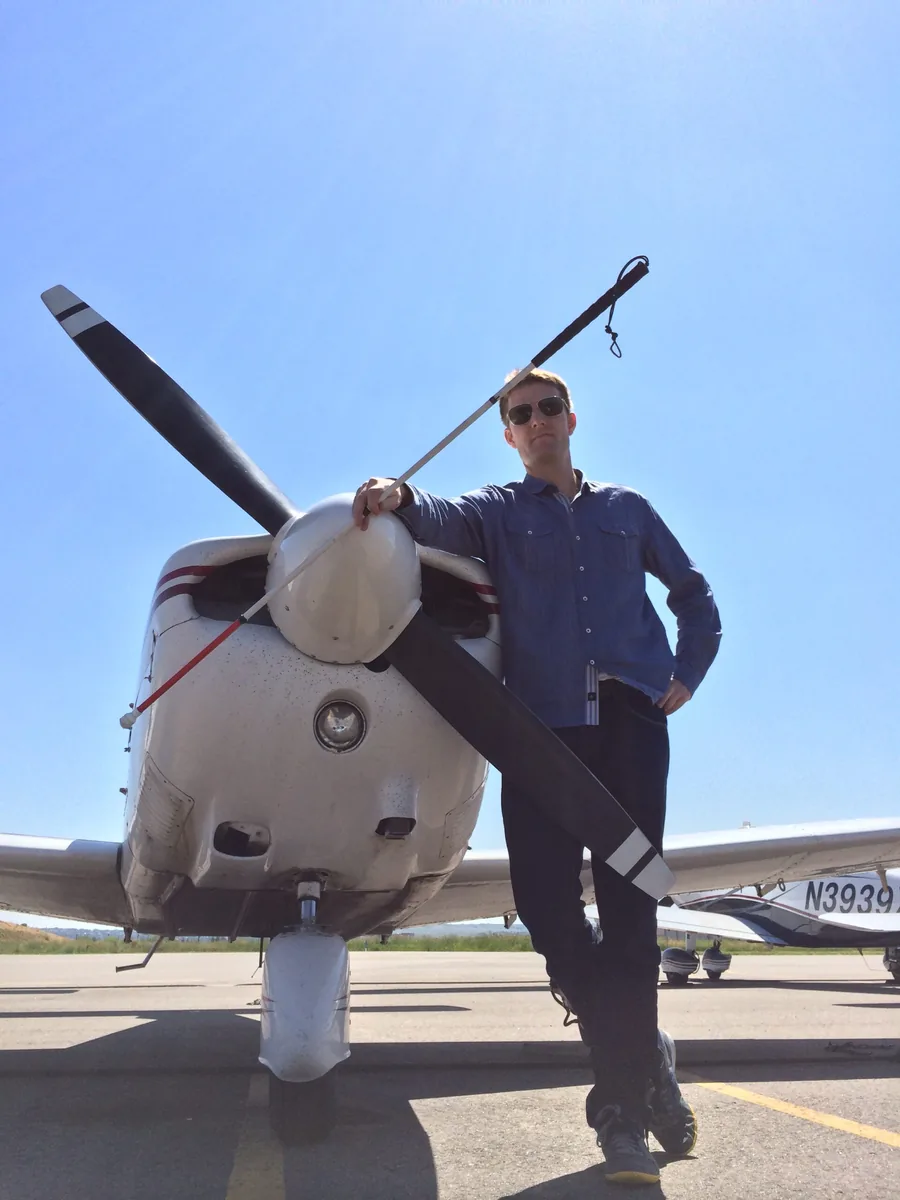
A traveller standing beside a small propeller aircraft on a sunlit runway, 2014.
A man in a blue shirt and sunglasses stands beside the nose of a small white propeller aircraft on a runway, one hand resting on the blade. The sky behind him is cloudless.

Our story

It started with a
Facebook post and
two days' notice.

“Hello, my name is Mike Walsh and I am losing my sight. In two days I will walk into the Madison Dane County Airport. Today, YOU decide where I am going.” Mike Walsh, February 2014
  1. 1997

    A diagnosis

    Mike Walsh and his brother Johnny are diagnosed with Usher Syndrome Type 2C — hearing loss combined with retinitis pigmentosa, the slow loss of night and peripheral vision.

  2. 2014

    Flight for Sight

    No longer driving and using a cane, Mike crowdsources his destinations from strangers on the internet and goes — to see what he can while he can, and to teach people about vision loss on the way.

  3. 2023

    The grant begins

    The organisation stops being about one person's journey and starts funding other people's. The Gordon and Llura Gund Foundation backs it with a $30,000 matching grant, renewed at $60,000 the following year.

  4. 2025

    A new name

    Flight for Sight becomes the Blind Travel Foundation — a name that describes a community rather than one man's eyesight.

  5. 2026

    Fourth year

    Over 200 applications for three grants. Twelve funded projects on the record.

The Blind Travel Summit

Not a conference
that talks at people.

Led by Mike May — Consumer Technology Hall of Famer, Paralympic medallist and board member — the Summit runs on a format built for actual conversation: a 15-minute presentation, then 30 minutes of facilitated discussion. Blind travellers, industry and advocates in the same room, solving the same problems.

  • Held13–14 November 2025, Austin, Texas
  • VenueTexas School for the Blind and Visually Impaired
  • Format15-minute talk, 30-minute open discussion
  • Gold sponsorsUber & United Airlines

“This summit is not about talking at people — it's about bringing lived experiences to the table and co-creating better solutions with the community.”
— Mike May
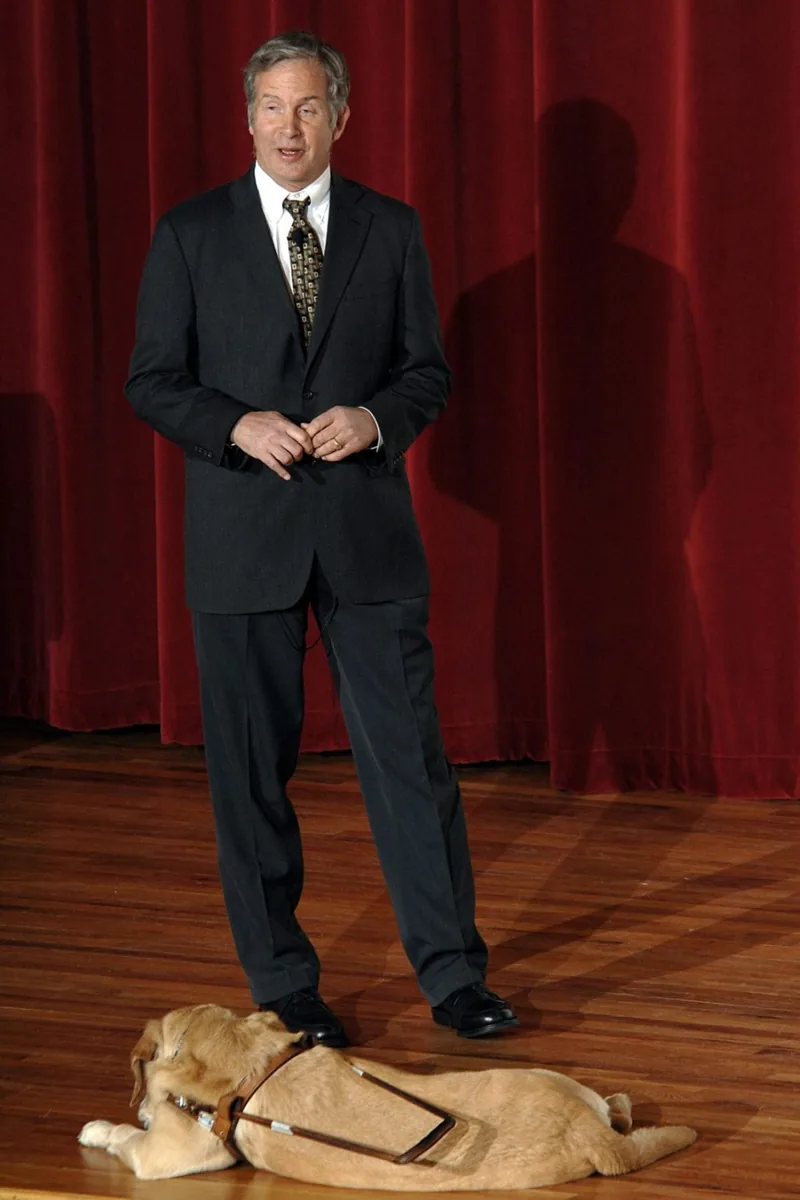
A speaker in a dark suit on a stage with a red curtain, his guide dog lying at his feet.
A man in a dark suit stands centre stage in front of a deep red curtain, hands clasped, mid-sentence. A golden retriever guide dog lies stretched out asleep on the polished floor at his feet.

Apply

Who this
is for.

Anyone can apply. At least one member of your team must be legally blind and 18 or older by your travel dates, and at least one must communicate fluently in English — spoken, signed, or otherwise.

You do not need a production company or a following. You need an idea that is good for the community, and evidence you can carry it out.

What the grant carries

  • $10,000 against real trip costs — transport, lodging, food, training, equipment
  • Budget and logistics worked through with the Blind Travel Foundation team
  • Visual interpreting minutes from Aira for the duration of your trip
  • Equipment bought inside the budget stays yours afterwards
  • Your project published across the foundation's channels and archive
31 January

Open Zoom Q&A session, 3 PM ET

1 February

First-round applications close, 11:59 PM ET

9 February

Semi-finalist invitations sent

10–21 February

Semi-finalist interviews, 30 minutes each

6 March

Finalist interview invitations sent

10–20 March

Finalist interviews with the application committee

Late March

Winners announced

15 Apr – 1 Dec

Project period: travel begins and finishes

What counts as legally blind?

Visual acuity of 20/200 or less in the better eye with best correction, or a field of vision restricted to 20 degrees or less in the better eye. You will be asked for medical documentation. Have a condition that is not formally recognised but you think should be? Tell us anyway — we would rather hear it.

What does a winning application look like?

A clear idea with a clear objective, a demonstrated benefit to the blind and visually impaired community, and evidence you can actually execute it. If you are making a film, show us something you have filmed. Links are welcome.

How is the $10,000 paid out?

We hold it and spend it on your trip — transport, lodging, food, training, equipment. Semi-finalists submit a proposed budget, and we work through it with you to stretch the money as far as it will go. Equipment bought within the budget is yours to keep.

Can I submit more than one idea?

Yes. Submit a separate application for each one.

Who owns what I make on the trip?

Content created with the grant is published on Blind Travel Foundation channels. If you have your own following, Instagram Collab posts and channel takeovers are good ways to have the work appear in both places.

Supported by

Aira United Airlines Uber Airbnb Gund Foundation Ambutech FEELDOM Awarewolf Gear Axley Seable